
What Clean Distribution Center Floors Reveal About Your Operation
Clean Floors, Clear Insights Into Your DC Performance
Clean distribution center floors tell a story long before anyone looks at a report. When a client, auditor, or corporate leader steps onto your floor, they see your safety culture, your discipline, and your standards in a single glance. A spotless main aisle with clear markings sends one message. Dust, shrink wrap tails, broken pallets, and mystery spills send another.
We see distribution center cleaning as a strategic choice, not a cosmetic chore. Floors reflect how well processes are followed, how much ownership your team feels, and how seriously you take your brand. When you know how to “read” your floors, you can spot safety risks, hidden bottlenecks, equipment trouble, and even people problems long before they explode.
What Your DC Floors Say About Safety and Risk
Safety shows up on the floor first. Slips, trips, and falls often start with small signs that are easy to ignore.
Here is what your floors may be telling you about risk:
- Dusty or slick surfaces are early warnings for slip hazards
- Stray stretch wrap, banding, and broken pallets signal trip risks
- Small spills that sit too long point to weak reporting and cleanup habits
In spring, things can get worse. Wet loading docks, pollen on exterior pads, and mud tracked by trucks and foot traffic all find their way into your aisles. If your floors are wet, gritty, or coated with fine dust, you are likely building up more risk than you realize.
For distribution centers that handle food, pharmaceuticals, or other sensitive products, floor conditions also hint at contamination concerns. Spilled product that is not cleaned right away, open trash, and dirty mop water are all red flags. These are the kinds of details that can raise questions during audits and customer visits.
Clean, open paths also say a lot about emergency readiness. When floors are cared for, you usually see:
- Clear egress routes with no pallets or carts parked in the way
- Marked and open fire lanes
- Easy access to eyewash stations, fire extinguishers, and electrical panels
If those spaces are blocked, dusty, or hard to reach, it is not just a cleaning problem. It is a signal that safety rules are being ignored.
Clean Floors as a Mirror of Operational Discipline
Floor conditions do not happen by accident. They are the direct result of how well your daily processes really work.
Consistently clean floors usually go hand in hand with:
- Standardized put-away and staging rules
- Clear returns and damage handling steps
- Defined spots for pallets, dunnage, and packaging waste
- End-of-shift housekeeping routines that actually happen
When floors are messy, it often points to breakdowns in those same areas. Maybe dock workers have no clear plan for broken pallets. Maybe pickers are leaving empty boxes in aisles because waste stations are too far away. The clutter you see on the ground is a trail that leads right back to weak or missing processes.
Your floors also affect equipment life. Fine dust, cardboard shreds, and product granules get pulled into:
- Forklift wheels and brakes
- Conveyor rollers and bearings
- Sweepers and scrubbers
- Robotics paths and sensors
Over time, this buildup can mean more repairs, more downtime, and shorter asset life. Clean floors help protect the heavy equipment you rely on, instead of grinding it down every shift.
There is also a clear link between good distribution center cleaning routines and tight KPI control. Operations that keep floors clean usually track things like dock-to-stock time, order accuracy, and damage rates closely. The same discipline that keeps aisles clear and marked also keeps product flowing in a steady, predictable way.
The Hidden Cost of Dirty DC Floors in Peak Season
Peak volume has a way of exposing every weak spot in a building. Late spring and summer often mean more inbound volume, outdoor and seasonal products, and special promotions. With more pallets moving and more packaging opened, dirt and debris can pile up fast.
When floors are dirty or crowded during these busy times, the costs are often hidden inside daily work, like:
- Associates stepping around trash or puddles instead of taking the straight path
- Pickers slowing down to avoid slipping on dust or bits of plastic
- Lift drivers inching through tight aisles filled with broken pallets and loose wrap
Each small slowdown may only take a few seconds, but those seconds repeat all day. Over time, they can add up to missed shipping cutoffs, overtime, and extra strain on your people.
Floor conditions also send a loud message to your team. Clean, well-marked, and well-maintained floors say, “Your safety matters here, and this work area matters.” Dirty, ignored spaces say the opposite. That can show up as:
- Lower morale and less pride in work
- Higher absenteeism during the hardest weeks
- More turnover when you most need experienced people on the floor
When volume spikes, you want your best people focused and moving with confidence. Safe, clean floors help make that possible.
Building a Smarter Distribution Center Cleaning Strategy
Strong floor care plans start with treating different areas of the building differently. A one-size-fits-all approach almost never works.
A risk-based zoning plan can help. For example:
- Docks and receiving: high traffic, high spill risk, frequent sweeping and scrubbing
- Main cross aisles: constant travel, strict rules against blocking or storing items
- Pick modules and case pick areas: focused dust control and small debris cleanup
- Battery charging and maintenance zones: special attention to leaks, residue, and floor condition
Once zones are clear, the most effective plans weave cleaning into daily work instead of treating it like an extra chore. That can look like:
- Quick “micro-clean” rounds at shift changes
- Fast sweeps between picking waves
- Deeper scrubbing during planned low-volume windows
Random, one-off cleaning bursts rarely keep up with the needs of a busy DC. Planned routines that fit your operation have a much better chance.
This is where working with a professional partner can make a big difference. A team that understands distribution centers can coordinate:
- Floor scrubbing and sweeping
- Junk and debris removal
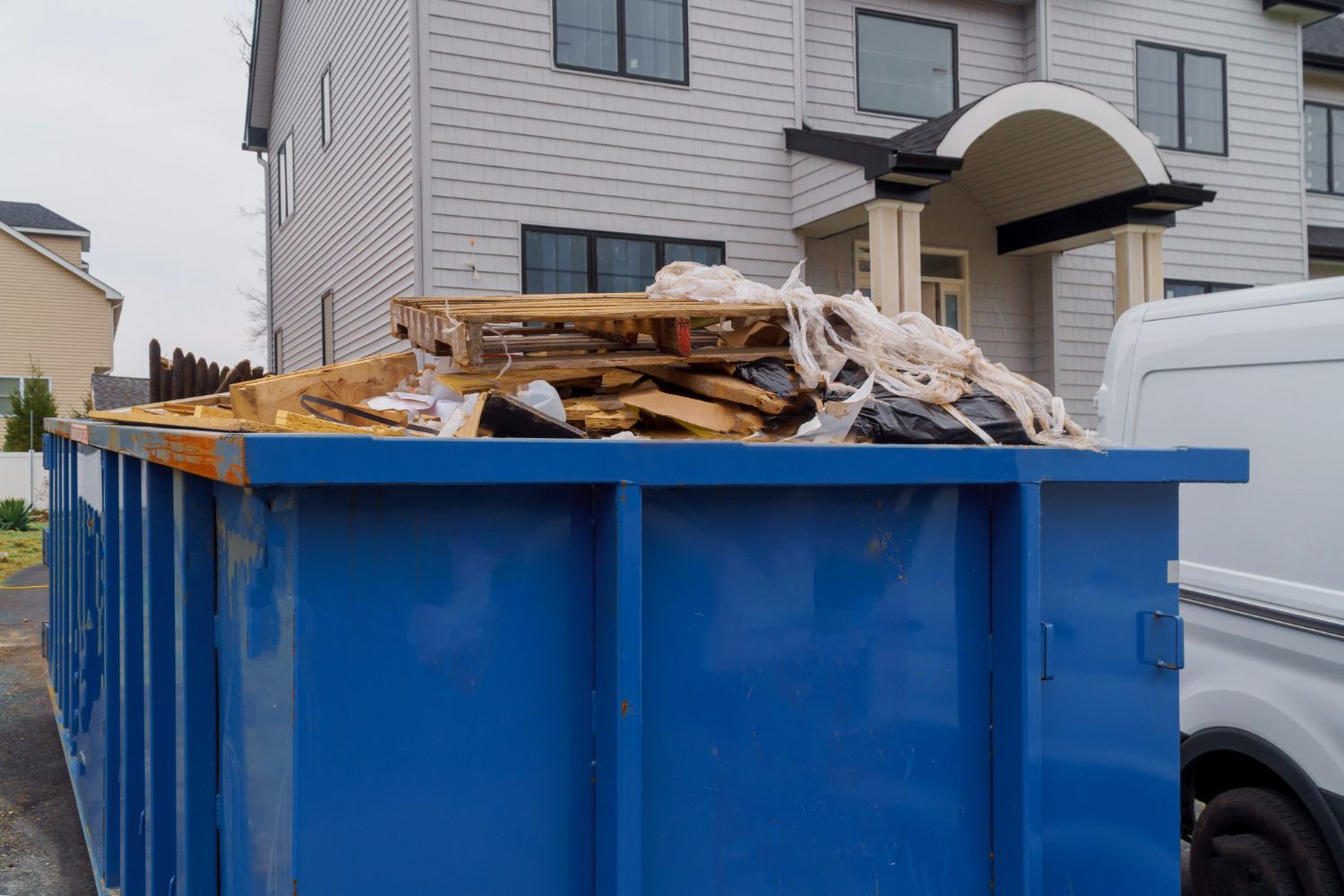
- Dumpster placement and service
- Exterior upkeep so dirt and trash do not constantly flow back inside
Done right, all of this supports throughput instead of interrupting it.
Turn Your Floors Into a Competitive Advantage
If you want to read the true story of your operation, start by walking your floors with a customer’s eye. Many leaders find it helpful to:
- Walk each zone on a regular schedule
- Note recurring issues like the same spill spots or trash build-ups
- Tie those issues back to root causes, not just “clean it up” orders
- Assign clear owners for floor standards in each area
When you connect floor standards to business results, cleaning shifts from a “nice to have” to a real part of your operation. Safer floors usually mean fewer incidents. Cleaner equipment paths can support fewer breakdowns. Clear aisles help support faster turns and better audit scores.
At Prodigy Commercial Services, we see floors as one of the most honest indicators of how a distribution center really runs. With the right cleaning, junk removal, dumpster services, and exterior care, your floors can do more than look good. They can send a strong, visible signal that your operation is safe, disciplined, and ready for whatever volume comes next.
Get Started With Your Project Today
If you are ready to improve safety, efficiency, and cleanliness in your facility, our team is prepared to help. Explore our specialized
distribution center cleaning solutions tailored to complex, high-traffic operations. We will work with you to build a schedule and scope that fits your workflow, downtime, and budget. To discuss your facility’s needs or request a custom quote,
contact us and let Prodigy Commercial Services support your next step.